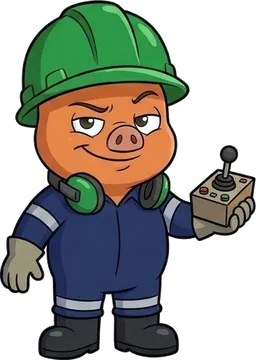
Five simple steps
Read it together. Switch on the grown-up facts for the extra detail.
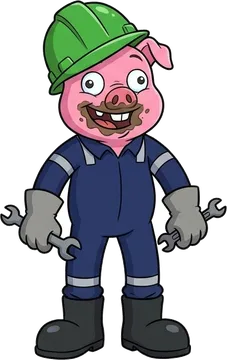
The derrick lifts
The tall tower is like a giant crane that lifts long steel pipes, one after another, and screws them together.
Grown-up fact: The pipe joints are about 9 to 13 metres long. A well can go down several kilometres, so the drill crew connect hundreds of joints.
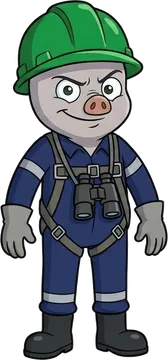
The drill spins
A drill bit on the end of the pipe spins and grinds through rock, a little bit at a time.
Grown-up fact: Drilling mud is pumped down the pipe. It cools the bit, carries rock cuttings back up and holds back the pressure underground.
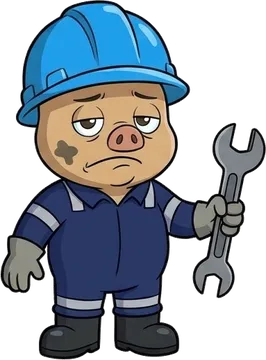
The crew keep it running
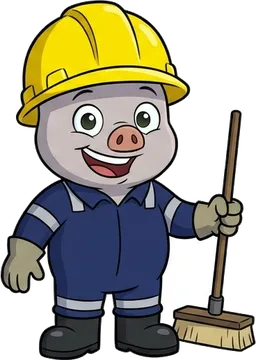
Everyone has a job, from the Mechanic fixing pumps to the Camp Boss cooking dinner. A rig never stops.
Grown-up fact: Rigs work around the clock. Crews usually do 12-hour shifts, day or night, for two weeks or more at a time.
Crew change by helicopter
The rig is far out at sea, so the crew fly out and home by helicopter, landing on the helideck.
Grown-up fact: Before flying offshore, workers train in sea survival, including how to escape a helicopter in water.
Safety first, always
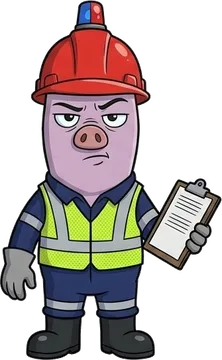
If the alarm sounds, everyone goes straight to their muster point, where every pig is counted.
Grown-up fact: Rigs hold regular drills, so every person knows their muster point, their lifeboat seat and their job in an emergency.